

How do you plan group travel in Vietnam for 10 or more people? Book 3–6 months ahead, hire a private vehicle with a driver instead of mixing taxis, choose private villas or hotels that confirm a group rate in writing, and book private tours rather than joining shared ones. For group travel in Vietnam, one organizer, one shared budget and one WhatsApp or Zalo chat with every supplier keep a 10–20 person trip running smoothly.
Key facts (as of November 2026)
- Vietnam’s e-visa costs USD 25 for single entry or USD 50 for multiple entry, is valid for up to 90 days and is issued through the official portal evisa.gov.vn in about 3–5 working days.
- Citizens of 25 countries, including the UK, Germany, France, Italy, Spain, Japan, South Korea, the Nordic countries, the Netherlands and Switzerland, can visit visa-free for up to 45 days.
- Passports must be valid for at least six months from the date of entry.
- For groups of 10–16 people, a single 16-seat van with a driver is usually cheaper and simpler than three or four taxis.
- Tet (Lunar New Year) falls on February 17, 2026 and February 6, 2027; transport and rooms sell out and prices rise for about two weeks around it.
- The dry season in southern Vietnam runs roughly from December to April, the easiest window for beach time and day trips from Ho Chi Minh City.
Written by the King’s Villa team. Last updated November 17, 2026. Visa rules, prices and timetables change; check the official sources listed at the end before you book.
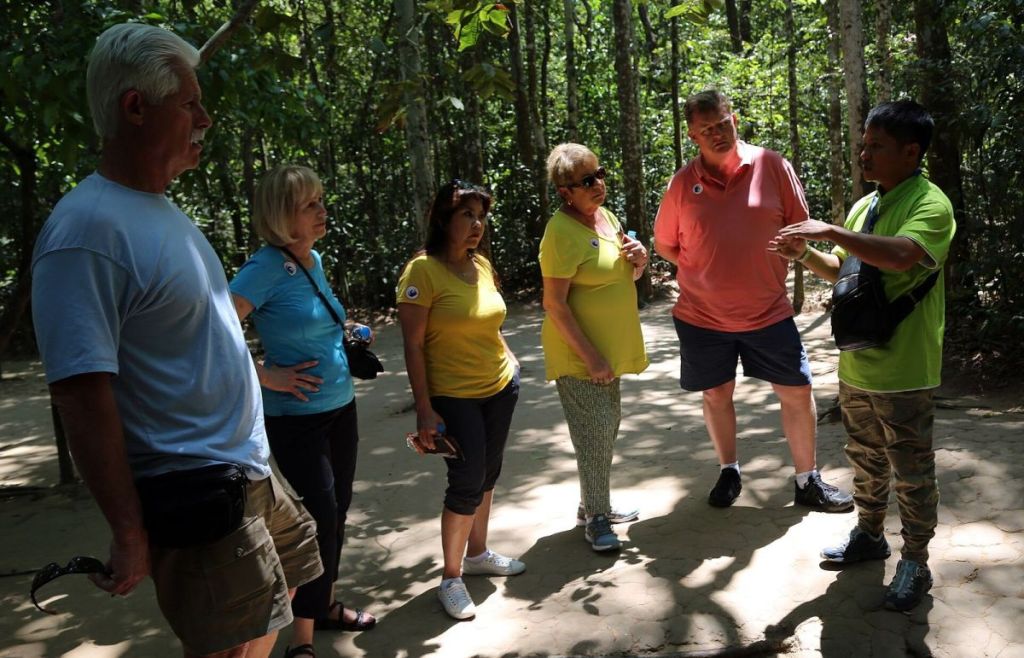

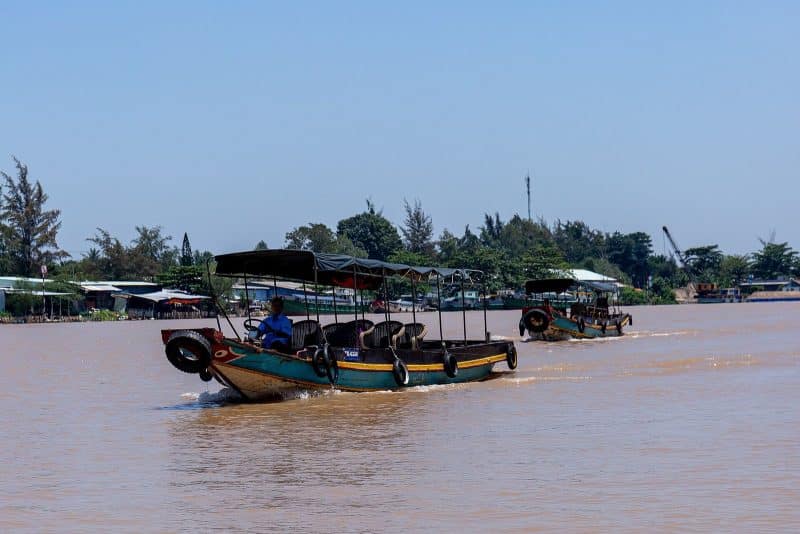
Photos: Ho Chi Minh Tours image library.
Is Vietnam a good destination for group travel?
Vietnam works very well for groups because private services are affordable, distances between the main sights are manageable and the food culture is built around sharing. A private van with a driver, a local guide for the day or a whole villa by the beach costs far less than in most of Europe, North America or Australia, so a group of 10 or more can travel privately for close to the price of a shared bus tour back home.
The country also suits mixed groups. Grandparents can rest at the villa while teenagers try a cooking class; one half of the group can visit the Cu Chi Tunnels while the other shops at Ben Thanh Market. Meals are served family style, with plates in the middle of the table, which makes a big table easy rather than awkward. And because Vietnamese families often travel in large groups themselves, restaurants, resorts and transport companies are used to bookings for 15, 20 or 30 people.
The challenges are mostly logistics: finding enough rooms in the same place, moving everyone at once, keeping costs fair and avoiding the busiest holiday weeks. The rest of this guide covers each of those in turn.
How far ahead should a group book a trip to Vietnam?
Book flights and accommodation 3–6 months ahead, and 6–9 months ahead if your dates touch Tet, Christmas, New Year or the Vietnamese summer holidays from June to August. Large groups need blocks of rooms or whole villas, and these are the first things to sell out. Transport, tours and restaurants can usually be confirmed 2–8 weeks before travel.
| When | What to book or decide |
|---|---|
| 6–9 months before | Choose dates and route; set a per-person budget; collect passport details; book international flights (ask airlines about group fares for 10+ passengers) |
| 3–6 months before | Book villas, hotel room blocks and domestic flights; reserve sleeper trains if you are using them |
| 6–8 weeks before | Apply for e-visas where needed; book private tours, guides and private vehicles |
| 2–4 weeks before | Reserve group dinners; confirm dietary needs; send a rooming list to every hotel or villa |
| 1 week before | Reconfirm every booking in writing; share an itinerary with addresses in Vietnamese and emergency numbers |
Local tip: Ask every supplier to confirm by email or chat message with the date, the number of people, the price, what it includes and the cancellation terms. In Vietnam, many small businesses work through Zalo, the country’s main messaging app, so a group chat with the villa host, the driver and the guide saves a lot of phone calls.
When is the best time for a group trip to Vietnam?
For most groups, the best months are December to April in the south, February to April and September to November in the north, and January to August on the central coast. Vietnam stretches more than 1,600 km from north to south, so the weather differs a lot by region. Southern Vietnam, including Ho Chi Minh City, the Mekong Delta and Vung Tau, has a dry season from about December to April and a wet season from May to November, when short, heavy afternoon storms are common. The central coast around Da Nang and Hoi An gets its heaviest rain and typhoon risk from about September to December. The north has a cool winter, so Hanoi and Ha Long Bay can feel chilly from December to February.
The biggest timing risk for groups is Tet, the Lunar New Year. In 2026 Tet fell on February 17, and in 2027 it falls on February 6. For about a week before and after, Vietnamese families travel home, trains and buses sell out, many local restaurants close and hotel prices in beach towns rise. Weekends from May to August and national holidays such as April 30, May 1 and September 2 also bring domestic crowds to Vung Tau, Phan Thiet and Nha Trang.
What visas does a group need for Vietnam?
Every traveler needs either a visa exemption or an e-visa, and each person applies individually even when traveling as a group. Citizens of 25 countries, including the UK, Germany, France, Italy, Spain, Japan, South Korea, Denmark, Sweden, Norway, Finland, Switzerland and several other European countries, can stay up to 45 days without a visa as of November 2026. Most ASEAN citizens have shorter exemptions, from 14 to 30 days. Everyone else, including travelers from the United States, Canada, Australia, New Zealand and India, applies for an e-visa.
The e-visa is valid for up to 90 days, costs USD 25 for single entry or USD 50 for multiple entry, and is issued through the official government portal in about 3–5 working days. Use only the government site; many look-alike sites charge extra fees. Ask each member to upload a clear passport photo page and a recent portrait photo, and check that the name, date of birth and passport number on the approved e-visa match the passport exactly. Passports must be valid for at least six months from entry.
For a group, the organizer should keep a spreadsheet with each person’s passport number, expiry date, visa type and approval status. That list also serves as the rooming list for hotels, which must register foreign guests with local police.
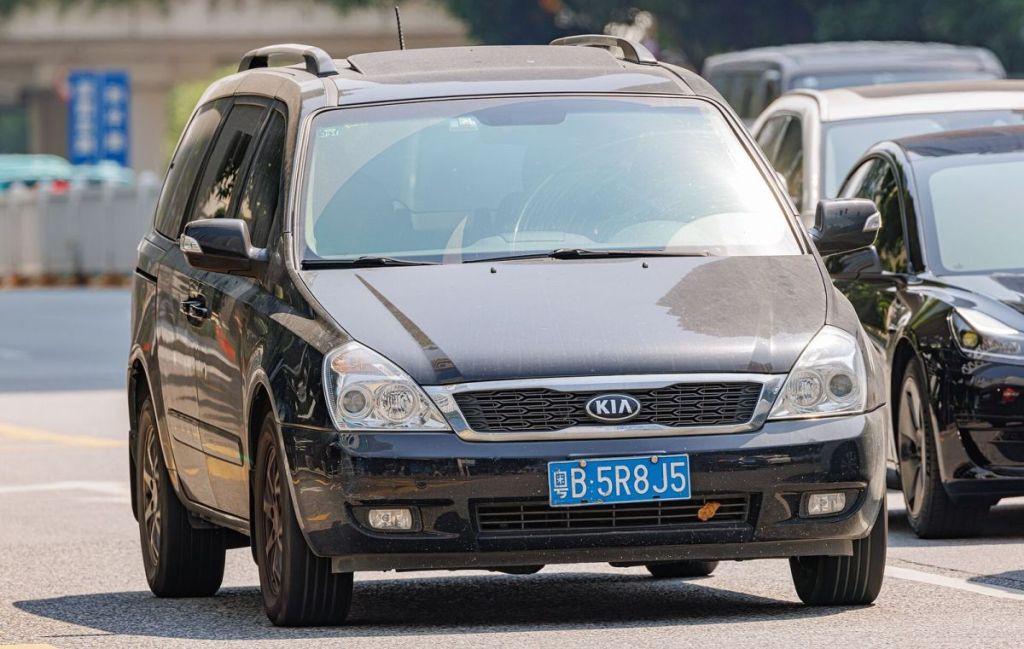
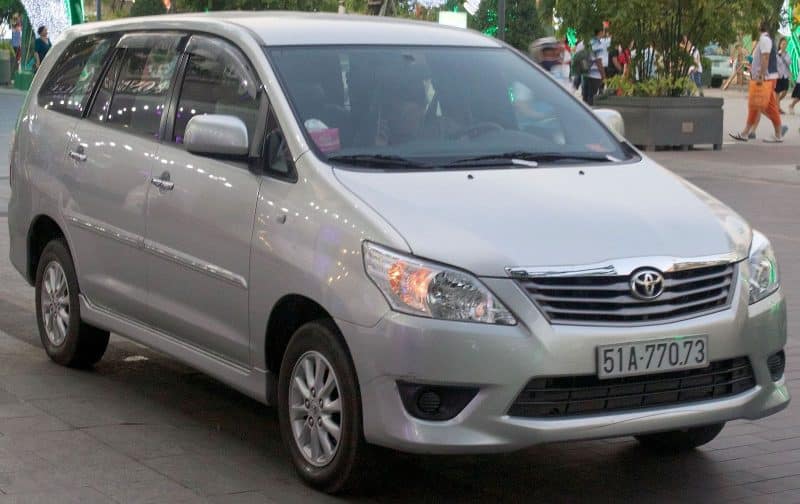
Photos: Ho Chi Minh Tours image library.
How should a group of 10 or more get around Vietnam?
Within a city or region, hire a private vehicle with a driver sized to the group; between regions, fly or take the train. Self-drive is not practical for visitors, since foreign car licences are rarely valid without conversion, and splitting a group of 12 across four ride-hailing cars means four bills, four pickup points and someone always waiting. A single vehicle keeps everyone together and gives you somewhere to leave bags during the day.
| Group size | Best option | Good to know |
|---|---|---|
| Up to 6 people | 7-seat car (Toyota Innova, Kia Carnival) or two ride-hailing cars | Luggage space is tight with six large suitcases |
| 7–9 people | 9-seat “limousine” van with reclining seats | Popular for the Saigon–Vung Tau and Saigon–Phan Thiet routes |
| 10–15 people | 16-seat van (Ford Transit, Hyundai Solati) | Usually the best value for groups; book one size up if everyone has big luggage |
| 16–25 people | 29-seat minibus | Leaves room for bags inside the cabin |
| 26–40 people | 45-seat coach | Large coaches cannot enter some narrow old-town streets; expect short walks |
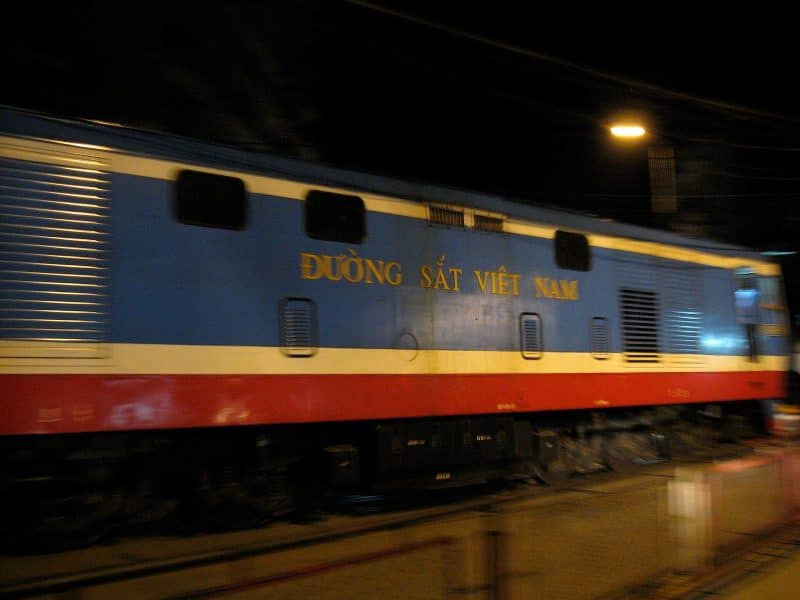
| Between regions | Domestic flights (Vietnam Airlines, Vietjet) or trains | Ho Chi Minh City–Hanoi is about 2 hours by air; the Reunification Express takes about 30–35 hours |
When you ask for a vehicle quote, ask whether the price includes fuel, road and bridge tolls, parking, the driver’s meals and accommodation on overnight trips, and overtime after a set number of hours. A clear “all-inclusive” quote avoids awkward conversations at the end of the day. For a full-day private hire, agree the start time, end time and route in advance; a driver will usually accept small changes, but adding a second city or several extra hours costs more.
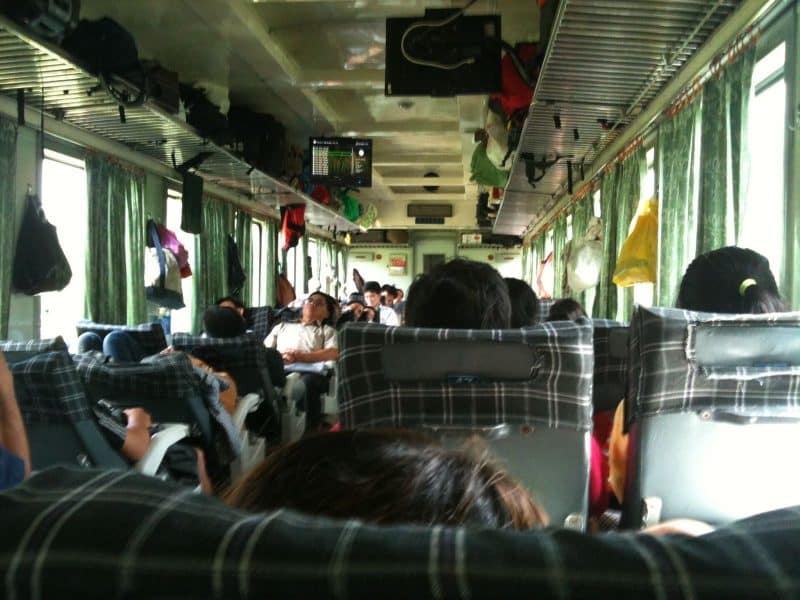
Domestic flights are the fastest way to cover long distances, but big groups should book early; low fares sell out first, and seats on the same flight can disappear quickly during holidays. Trains are slower but comfortable for shorter legs such as Da Nang to Hue, which runs along the coast over the Hai Van Pass. Sleeper buses are cheap but cramped for adults over about 175 cm, and they do not suit families with small children.
Local tip: Ask your hotel or villa to arrange the airport pickup and send the driver’s name, phone number and vehicle plate the day before. Meet in the arrivals hall at a fixed point, such as a café or pillar number, so nobody wanders off to find the toilet while the rest of the group walks out.
Where should a large group stay in Vietnam?
A large group has three main choices: a block of hotel rooms, a private villa, or several serviced apartments in the same building. Each suits a different kind of trip.
Hotels work best in big cities where you will be out most of the day, such as Ho Chi Minh City, Hanoi and Hoi An. Ask for a group rate for ten or more rooms, breakfast included and all rooms on the same floor. Get the room types in writing, since “double” sometimes means one bed and sometimes two.
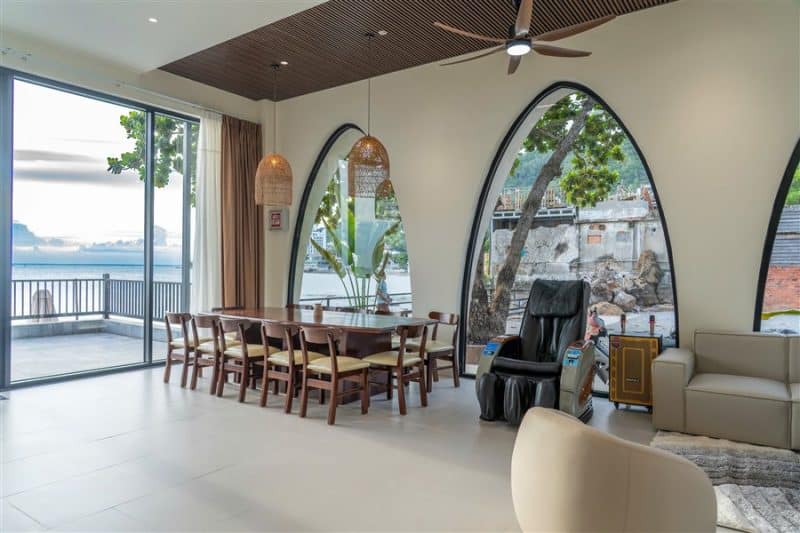
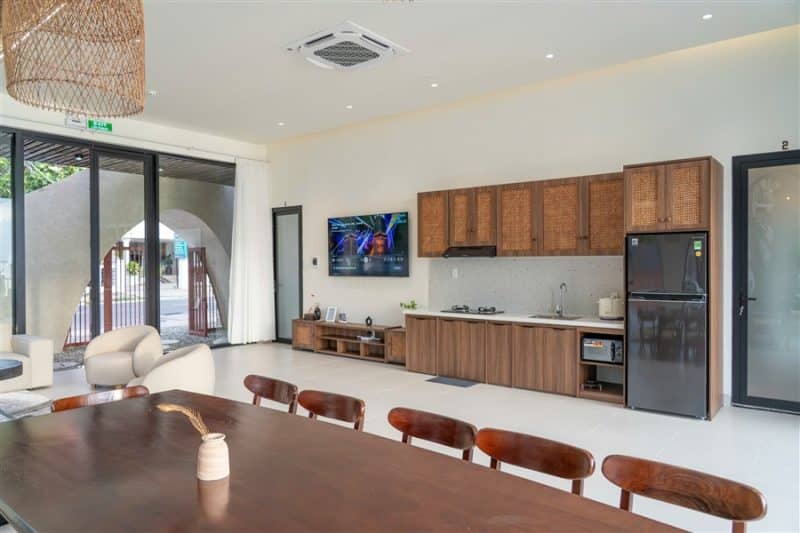
Private villas work best for beach stays and reunions, when the point of the trip is spending time together. A villa gives the group a shared living room, a long dining table, a kitchen and often a pool and a barbecue area, all for a single nightly price. In Vung Tau, Phan Thiet, Ho Tram and Da Lat, many villas sleep 15–30 people. Check the number of bedrooms and real beds, whether extra mattresses cost more, quiet hours, any rules about parties or karaoke, and what the deposit covers.
Serviced apartments suit longer stays or groups made up of several families who want their own space. Ask for units on the same floor or in the same tower.



Photos: King’s Villa.
| Type | Best for | Watch out for |
|---|---|---|
| Hotel room block | City stays, mixed groups who want privacy | No shared space for evenings; breakfast times can be crowded |
| Private villa | Beach weekends, family reunions, friends’ trips | Bed counts, house rules, deposit terms, distance to the beach |
| Serviced apartments | Longer stays, several families together | Units may be spread across floors or buildings |
How do you book tours for a big group in Vietnam?
For groups of ten or more, a private tour is almost always better than joining a shared one. Shared tours cap their group size, so a party of 12 may be split across two buses or forced onto a different date. A private tour runs on your schedule, picks you up at your hotel or villa, and lets the guide adjust the pace for children or older travelers. Per person, it often costs only a little more than the shared version once the group passes eight or ten people.
In Ho Chi Minh City, the classic group day trips are the Cu Chi Tunnels, the Mekong Delta, a city tour of the War Remnants Museum, the Independence Palace and the Central Post Office, and an evening street food tour. If you are comparing options, you can compare private tours in Ho Chi Minh City by length, price and pickup area, then ask the operator for a quote for your exact group size. Groups that have only one free day often choose combined Cu Chi and Mekong Delta day tours, which cover both in a long but manageable day.
When you book, confirm the guide’s language, whether entrance fees and lunch are included, the vehicle size, and the policy if two or three people drop out at the last minute. Large boats in the Mekong Delta and the tunnels at Cu Chi have their own capacity limits, so a good operator will split a big group into smaller units on site while keeping one guide in charge.
Photos: Ho Chi Minh Tours image library.
How do you handle meals and dietary needs for a group?
Reserve dinners for groups of ten or more, and send dietary needs to the restaurant at least a day ahead. Vietnamese food is shared, so most restaurants will set a long table or a round table with a lazy Susan and serve a set menu of six to ten dishes. A set menu is the simplest way to control the bill: ask for a price per person or per table, and confirm whether drinks, rice and service are included.
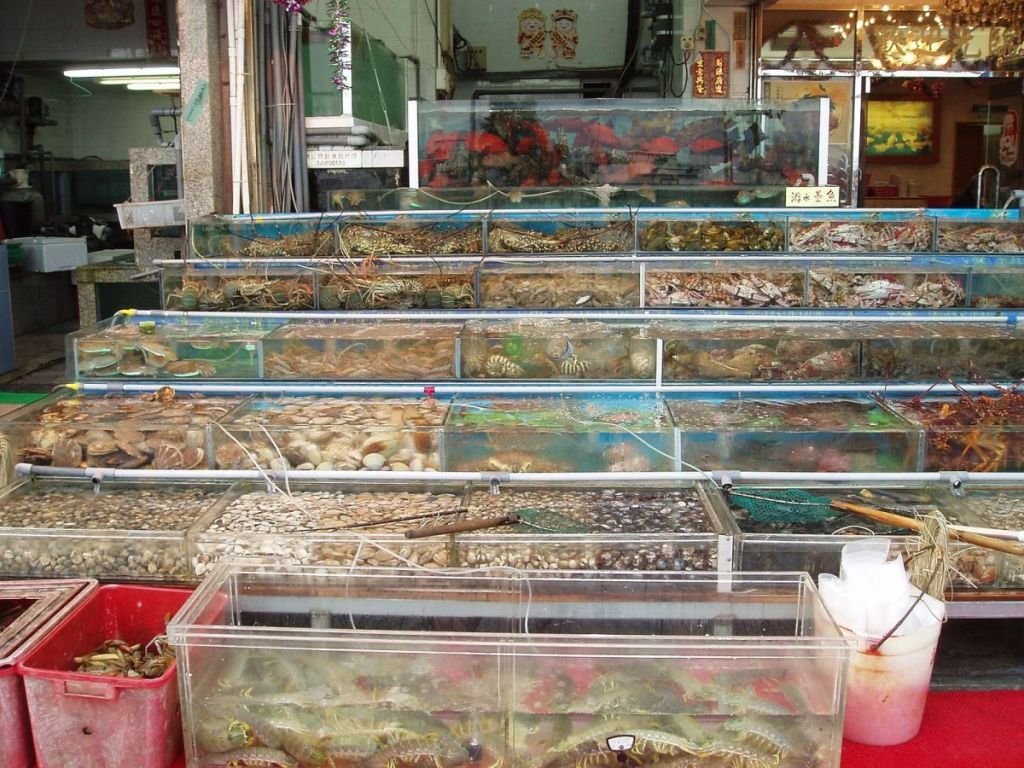
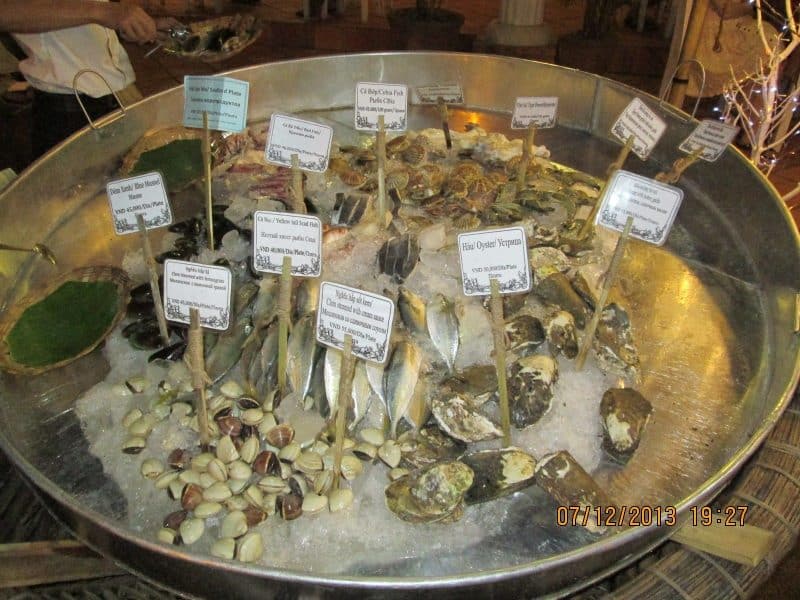
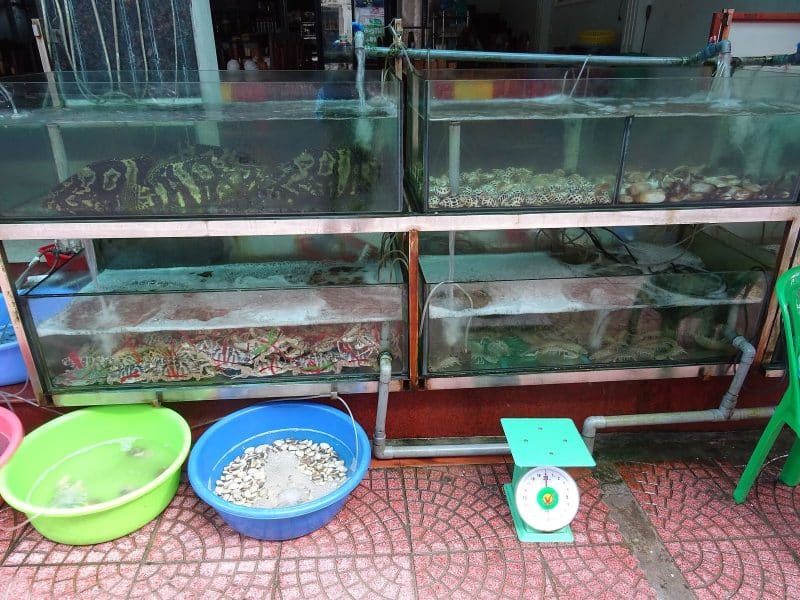
Seafood restaurants in coastal towns such as Vung Tau, Phan Thiet and Nha Trang sell fish, prawns, crab and shellfish by weight from tanks at the front. Prices are shown per kilogram; ask for the weight and the cooking charge before the kitchen starts, and agree on the total for the table. For vegetarians, look for restaurants with “chay” in the name, which serve Buddhist vegetarian food without meat, fish sauce or eggs.
Allergies need extra care. Peanuts, shrimp paste, fish sauce and shellfish appear in many sauces and dipping bowls. Write each allergy in Vietnamese on a card, and ask the guide or host to explain it to the kitchen directly.
Useful Vietnamese: Chúng tôi có mười hai người (We are twelve people), đặt bàn (book a table), thực đơn theo suất (set menu), không cay (not spicy), tôi ăn chay (I am vegetarian), tôi bị dị ứng đậu phộng (I am allergic to peanuts), tính tiền (the bill, please).
How should a group manage money and shared costs?
Agree on the budget and the split before the trip, then let one person pay suppliers and track costs in a shared app or spreadsheet. Arguments over money are the most common cause of group-trip stress, and they are easy to avoid with three rules: decide which costs are shared and which are personal, collect a deposit from everyone before booking non-refundable items, and settle up every few days rather than at the end.
Many villas, drivers and guides prefer bank transfer or cash in Vietnamese dong, while hotels and larger restaurants accept cards. QR payments through Vietnamese banking apps are everywhere, but most foreign visitors cannot use them without a local account. Bring a mix of cards and some cash, and withdraw larger amounts from bank ATMs inside banks or malls to reduce the number of withdrawal fees.
Tipping is not compulsory in Vietnam, but it is appreciated for good service. For a group, the simplest approach is a shared tip for the guide and driver at the end of the tour or trip, handed over in an envelope by the organizer.
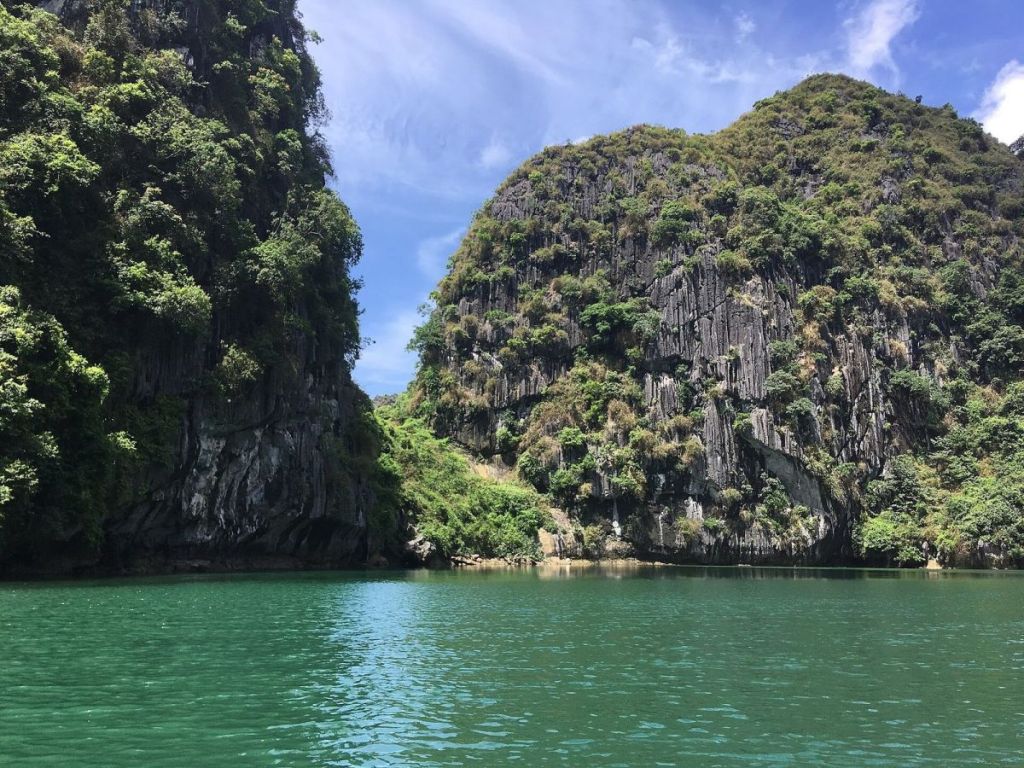
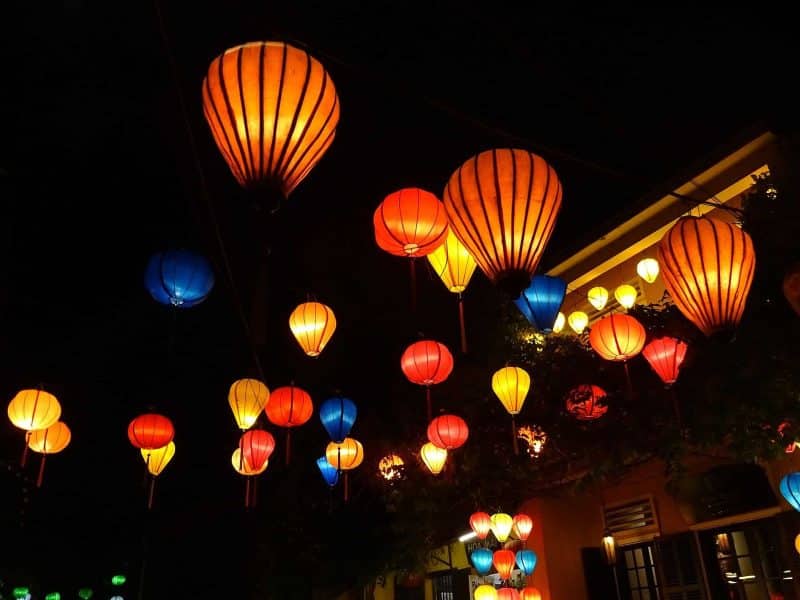
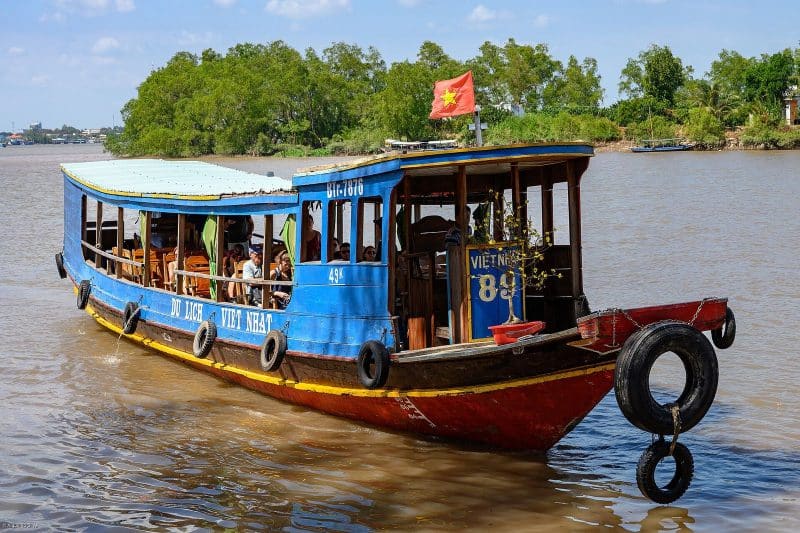
Photos: Ho Chi Minh Tours image library.
What does a 7-day group itinerary in southern Vietnam look like?
A week in southern Vietnam lets a group combine city sights, a river day trip and a beach stay without long transfers. The route below keeps every transfer under four hours and gives the group two relaxed days by the sea.
| Day | Plan | Transport |
|---|---|---|
| 1 | Arrive in Ho Chi Minh City; welcome dinner | Pre-booked airport van |
| 2 | Private city tour: Independence Palace, War Remnants Museum, Central Post Office; evening food tour | 16-seat van with guide |
| 3 | Cu Chi Tunnels in the morning, free afternoon | Private tour vehicle |
| 4 | Mekong Delta day trip: boats, orchards, coconut workshops | Private tour vehicle and boats |
| 5 | Transfer to Vung Tau; check in to a private villa; seafood dinner | Private van, about 2–2.5 hours |
| 6 | Beach day, Christ of Vung Tau statue, lighthouse, barbecue at the villa | Walking or short taxi rides |
| 7 | Breakfast together, return to Tan Son Nhat Airport | Private van direct to the airport |
For a longer trip, add a domestic flight to Da Nang for Hoi An and Hue, or to Hanoi for Ha Long Bay. Keep at least one free half-day every three days; big groups move more slowly than couples, and tired travelers make for a tense trip.
How do you keep a large group safe and together?
Name one organizer and one deputy, share a single daily plan, and make sure everyone carries the address of the accommodation in Vietnamese. Most problems on group trips are small: someone misses the van, loses a phone or eats something that disagrees with them. A little structure stops them from becoming big ones.
- Create one group chat for the travelers and a separate one with the driver, guide and host.
- Share a daily message the night before with the pickup time, the meeting point and the dress code for temples (shoulders and knees covered).
- Count heads at every departure; pairing people in “buddy” twos makes this quick.
- Save emergency numbers: 113 for police, 114 for fire and 115 for ambulance.
- Note the nearest international hospital in each city and check that everyone’s travel insurance is active.
- Carry a small first-aid kit with rehydration salts, plasters, sunscreen and insect repellent.
Traffic is the main day-to-day hazard. When crossing busy roads, walk slowly and steadily as a compact group rather than in a long line, and let the guide lead. On boats, make sure life jackets are available for every passenger, including children.
Is a villa weekend in Vung Tau worth adding to a group trip?
Yes, for most groups it is the easiest beach add-on from Ho Chi Minh City. Vung Tau is about 100 km away, roughly 2–2.5 hours by private van via the expressway, and also reachable by fast boat from central Saigon. The town has two main beaches, Back Beach (Bãi Sau) for swimming and Front Beach (Bãi Trước) for sunsets, plus short walks to the Christ of Vung Tau statue on Small Mountain (Núi Nhỏ) and the lighthouse.
A private villa turns the beach stop into the part of the trip people remember: a long breakfast together, an afternoon by the pool and a seafood barbecue in the garden. King’s Villa lists private villas in Vung Tau for families and groups, including beachfront homes with sea-view terraces, shared kitchens and large dining tables. Tell us your group size, dates and budget, and we will suggest villas with enough real beds, not just extra mattresses.


Photos: King’s Villa.
Planning a group stay in Vung Tau? The King’s Villa team can match your group to a private villa by bedrooms, beds, pool and distance to the beach, and confirm the full price and house rules in writing.
Frequently Asked Questions
How far in advance should a group of 10 book a trip to Vietnam?
Book international flights and accommodation 3–6 months ahead, and 6–9 months ahead for Tet, Christmas or summer holidays. Private tours, vehicles and group dinners can usually be confirmed 2–8 weeks before travel. Room blocks and large villas are the first things to sell out.
Do group members need individual visas for Vietnam?
Yes. Each traveler needs a visa exemption or an individual e-visa; there is no single group visa for tourists. Citizens of 25 countries can stay up to 45 days visa-free as of November 2026, and everyone else applies for an e-visa through the official portal.
How much does a Vietnam e-visa cost?
As of November 2026, a Vietnam e-visa costs USD 25 for single entry and USD 50 for multiple entry. Both are valid for up to 90 days and are usually processed in 3–5 working days. Apply only through the official government portal to avoid extra agency fees.
What vehicle do I need for a group of 12?
A 16-seat van with a driver is the standard choice for 10–15 people. If everyone has a large suitcase, book a 29-seat minibus instead so bags fit inside. Ask for an all-inclusive quote covering fuel, tolls, parking and the driver’s meals.
Is a private tour worth it for a big group?
Usually, yes. Shared tours limit group size and may split you across vehicles or dates. A private tour runs on your schedule with hotel pickup, and once a group passes eight to ten people, the price per person is often close to that of a shared tour.
When should groups avoid traveling in Vietnam?
Avoid the week before and after Tet, which falls on February 6 in 2027. Transport sells out, many family restaurants close and beach prices rise. National holidays on April 30, May 1 and September 2 also bring heavy domestic crowds to beach towns near Ho Chi Minh City.
Can a group of 20 stay in one villa in Vung Tau?
Yes. Many villas in Vung Tau sleep 15–30 people across several bedrooms, often with a pool, kitchen and barbecue area. Check the number of real beds, extra-mattress charges, house rules on noise and the deposit terms before you book.
How do restaurants in Vietnam handle large groups?
Most restaurants welcome groups and will set a long or round table and serve a shared set menu. Reserve a day ahead, ask for a price per person or per table, and send dietary needs in advance. Seafood is sold by weight, so confirm prices before cooking.
What is the best way to split costs on a group trip?
Agree in advance which costs are shared, collect deposits before booking non-refundable items, and let one organizer pay suppliers and track spending in a shared app. Settling up every few days prevents large, surprising totals at the end of the trip.
Do I need to tip guides and drivers in Vietnam?
Tipping is not required but is appreciated for good service. Groups often collect a shared tip for the guide and driver and hand it over in an envelope at the end of a tour or of the trip.
How long does it take to get from Ho Chi Minh City to Vung Tau?
A private van takes about 2–2.5 hours via the expressway, depending on traffic. Fast boats from central Ho Chi Minh City take around two hours. For a group with luggage, a private van door to door is usually the simplest choice.
What emergency numbers should a group save in Vietnam?
Save 113 for police, 114 for fire and rescue and 115 for ambulance. Add the number of your accommodation, your driver and your guide, and the address of the nearest international hospital in each city you visit.
Sources
- Vietnam National Authority of Tourism: Visa requirements
- Vietnam Immigration Department: Official e-visa portal
- Vietnam Tourism: Visa exemptions by nationality
- Vietnam Railways: Official train ticket site
Bài viết liên quan
Planning a Company Trip in Vietnam: Budget, Venues and Activities
How to plan a company trip in Vietnam: per-person budgets, Vung Tau, Ho Tram, Long [...]
Vietnam Itinerary for Big Groups: Logistics That Make It Easy
Three day-by-day Vietnam group itineraries (5, 7 and 10 days) for 10–30 people, with vehicle [...]

The Lucis TT Genesis Là Gì? Toàn Bộ Thông Tin Giai Đoạn Đầu
The Lucis TT Genesis là Block B thuộc dự án căn hộ TT Genesis, tọa [...]

Olympic TT Genesis – Không gian vận động gần 870 m²
Olympic TT Genesis là khu vận động thể chất có diện tích gần 870 m², [...]

GPXD Hạ Tầng Dragon Eden – GPXD 418 Và 410 Có Ý Nghĩa Gì?
Dragon Eden có hai giấy phép xây dựng hạ tầng kỹ thuật, đều do UBND [...]

Dragon Eden City – Mô Hình ĐTCN Kiểu Mẫu Phía Tây Nam TP.HCM
Dragon Eden City là khu đô thị được phát triển theo định hướng kết hợp [...]

Ai đứng sau TT Genesis? Phân tích LD Việt Nam – Nhật Bản – Singapore
Đằng sau TT Genesis by TT Capital không phải một doanh nghiệp đơn lẻ mà [...]

Có Nên Mua Căn Hộ The Privé Đất Xanh Quận 2?
Có nên mua căn hộ The Privé Đất Xanh Quận 2? Nếu đặt câu hỏi [...]
